Our Solutions

Advancing
Environmental
Solutions

Value
Creation

Creating a More Sustainable Environmental Future

In agriculture, livestock farming, fisheries, and recycling settings, a wide range of challenges arise—from odor issues and damage caused by wildlife to difficulties in feeding fish. By applying the functional power of scent, we work to address these challenges in ways that are closely connected to everyday life—softening unpleasant odors, guiding animal behavior, and supporting more natural feeding behavior in fish.

Reducing the Impact of Unpleasant Odors

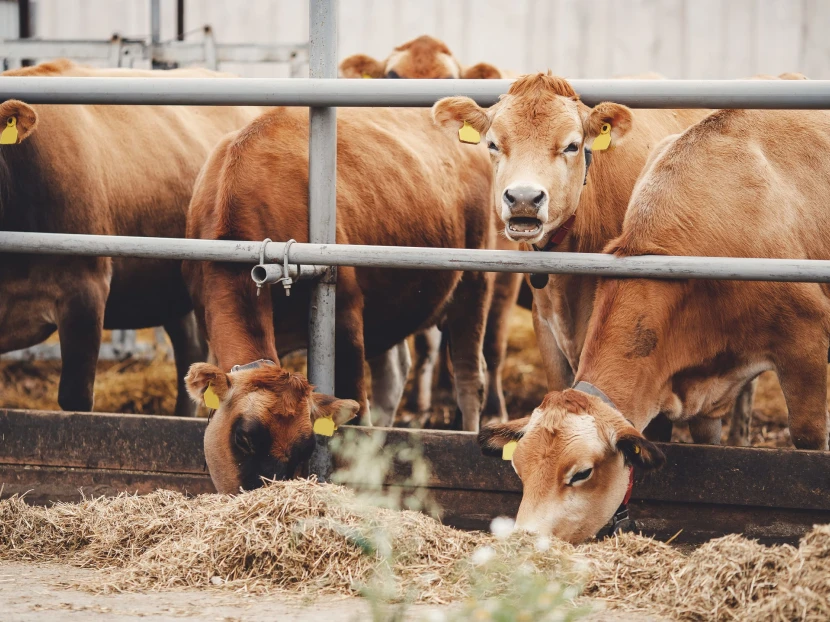
Strong odors are often unavoidable in places such as livestock facilities and composting sites. To address this, we design scent combinations that soften the overall odor impression and help limit the spread of unpleasant smells into surrounding areas. These approaches help reduce the burden on both workers and nearby communities.
Guiding Animal Behavior Through Scent

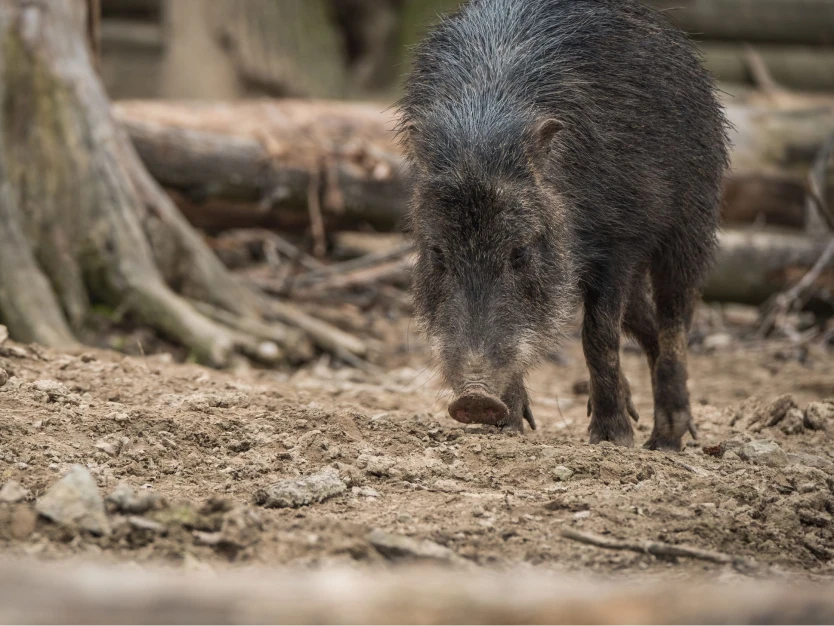
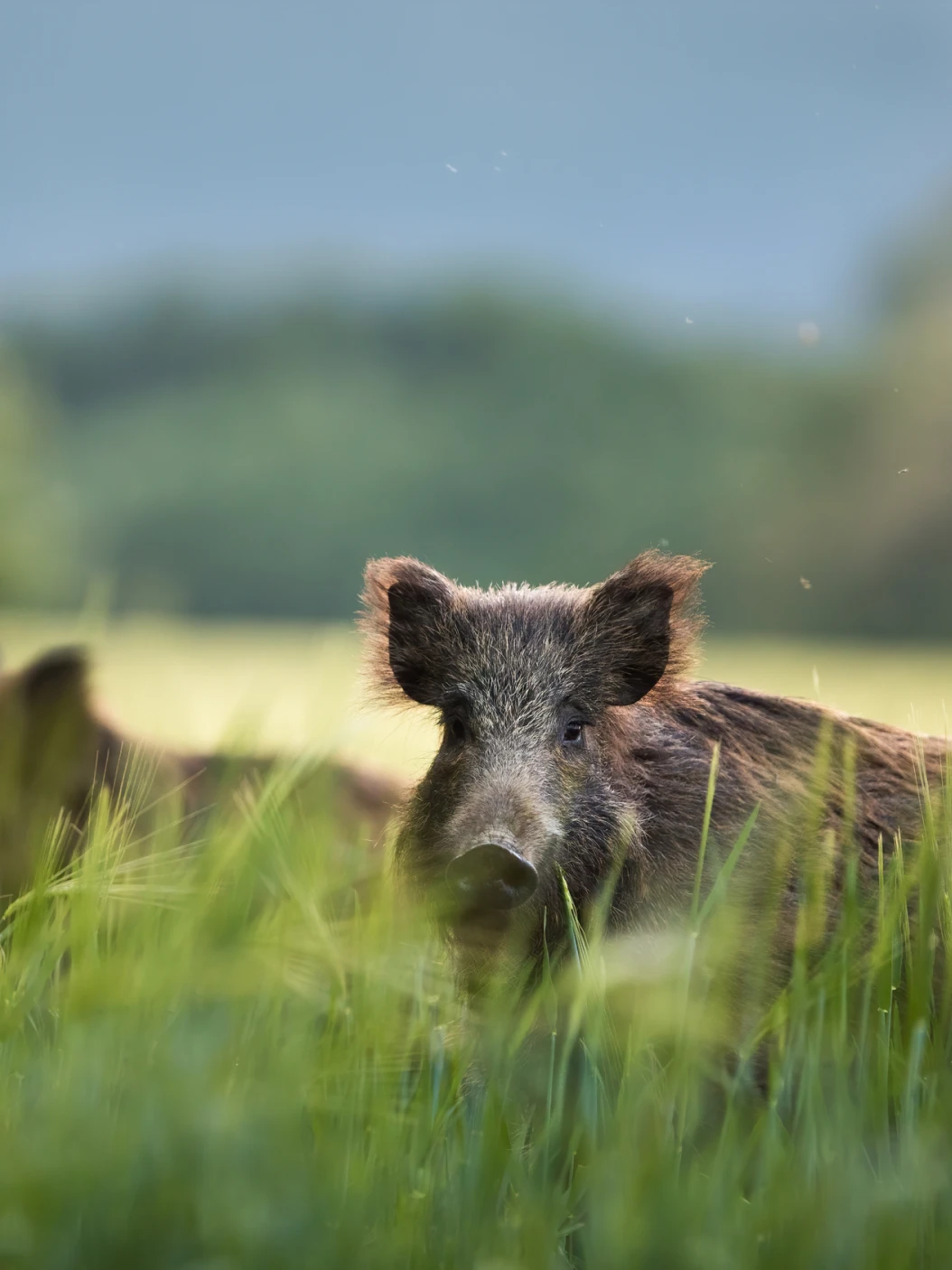
Some scents attract animals, while others encourage avoidance. By drawing on these properties, we develop scent-based approaches that help keep animals away from crops or guide them to designated locations. For example, scent can be used to guide wild boars toward vaccine delivery points, facilitating more efficient vaccine uptake and helping reduce damage related to livestock farming.

Supporting Better Feed Response

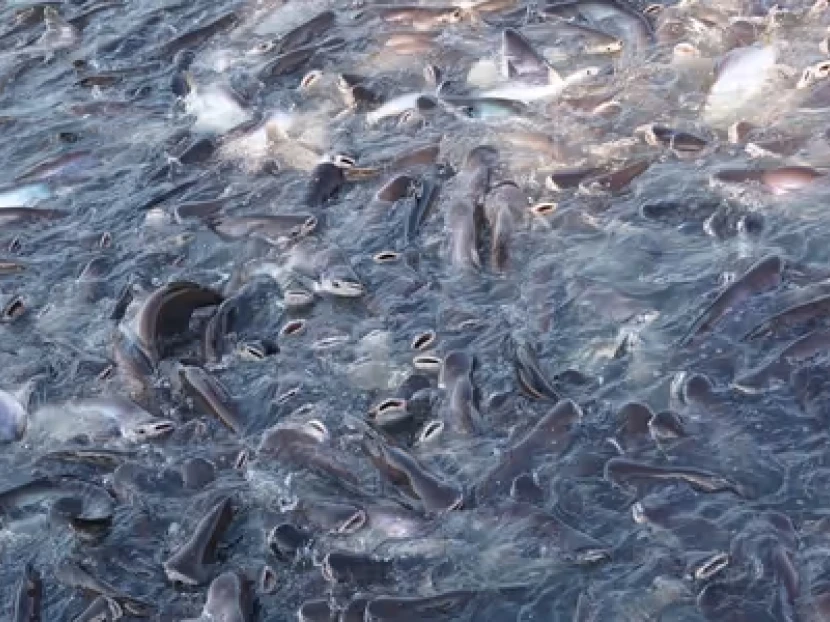
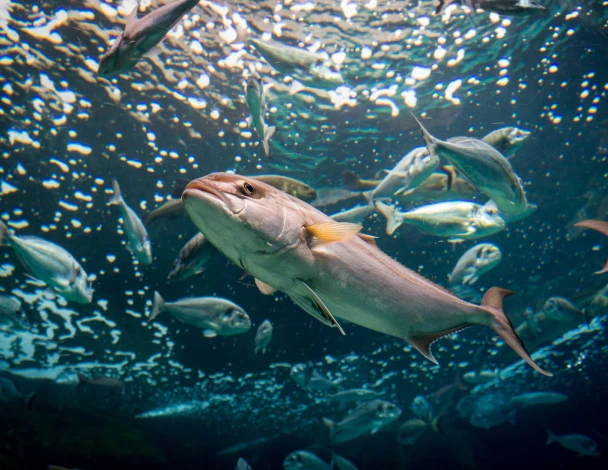
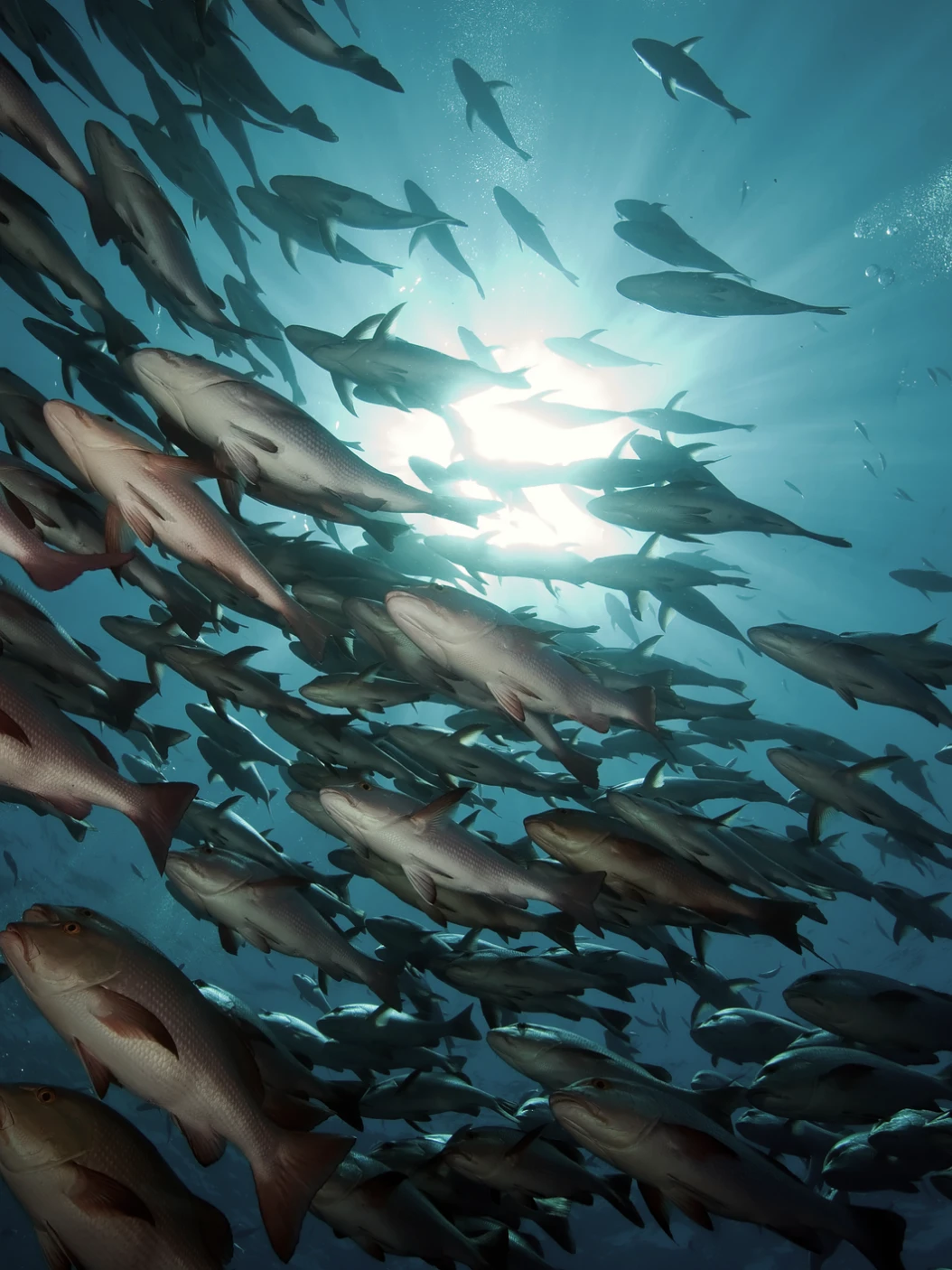
In aquaculture, fish may have difficulty noticing feed or may show weak feeding responses. We utilize scents that stimulate feeding behavior, helping fish detect and approach feed more easily. This helps promote more consistent fish growth and improves efficiency in aquaculture operations.

Selected
Works

Livestock Facilities

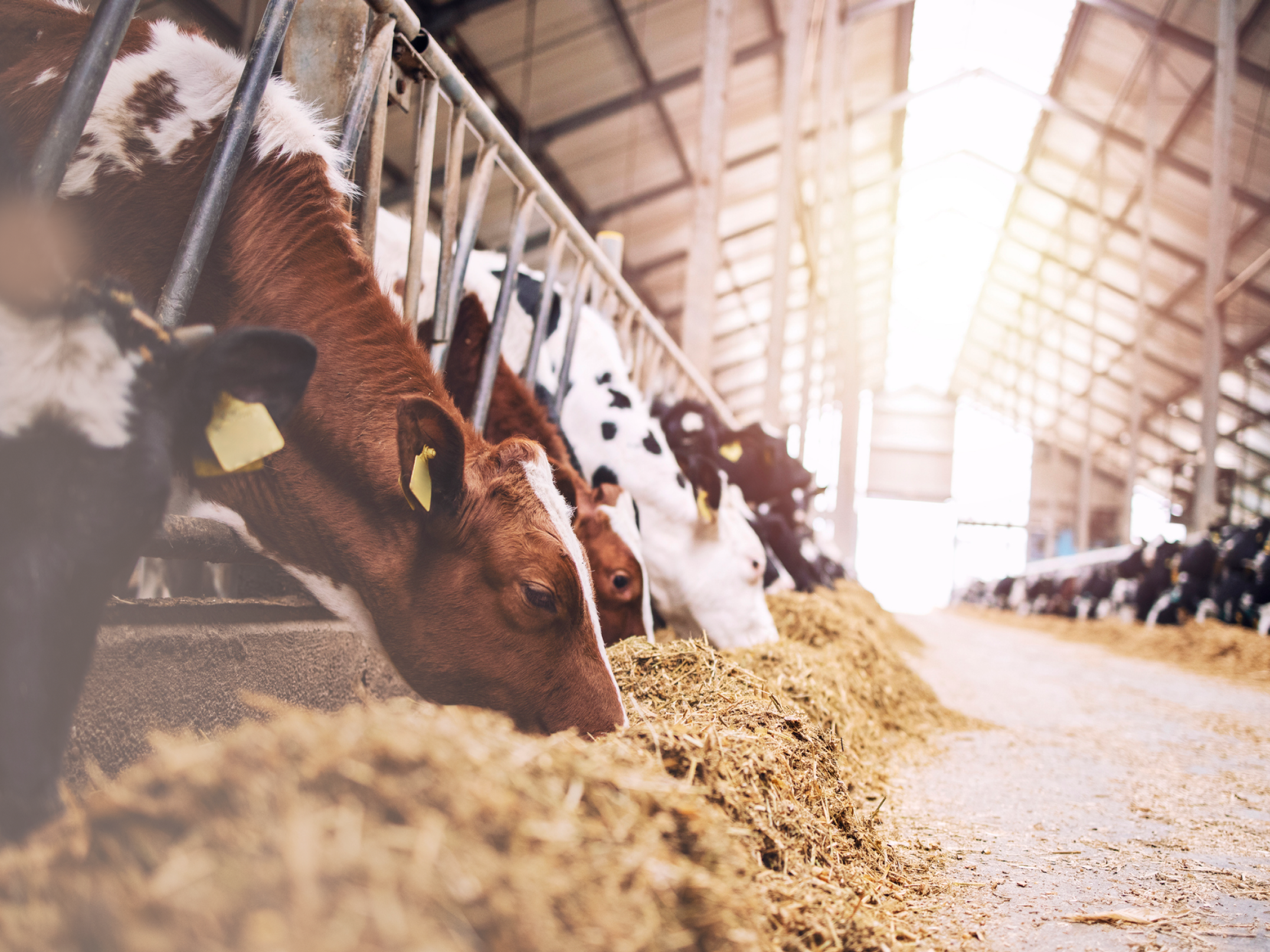
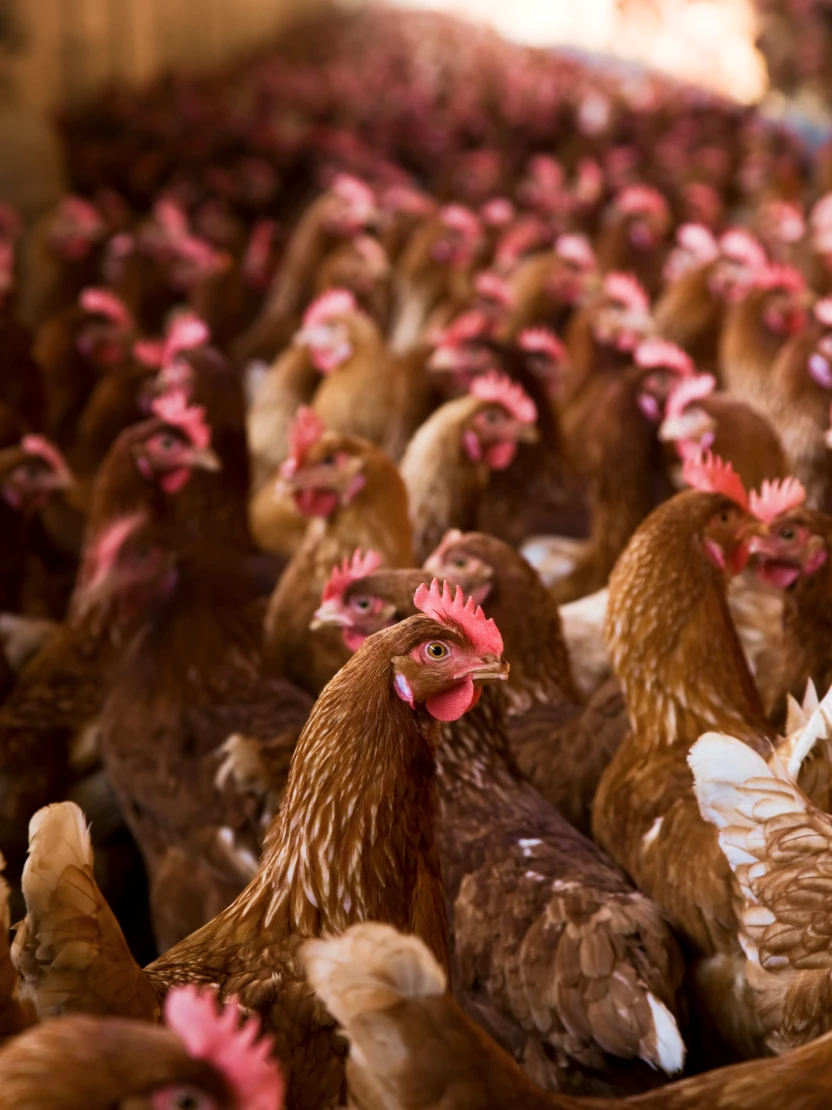
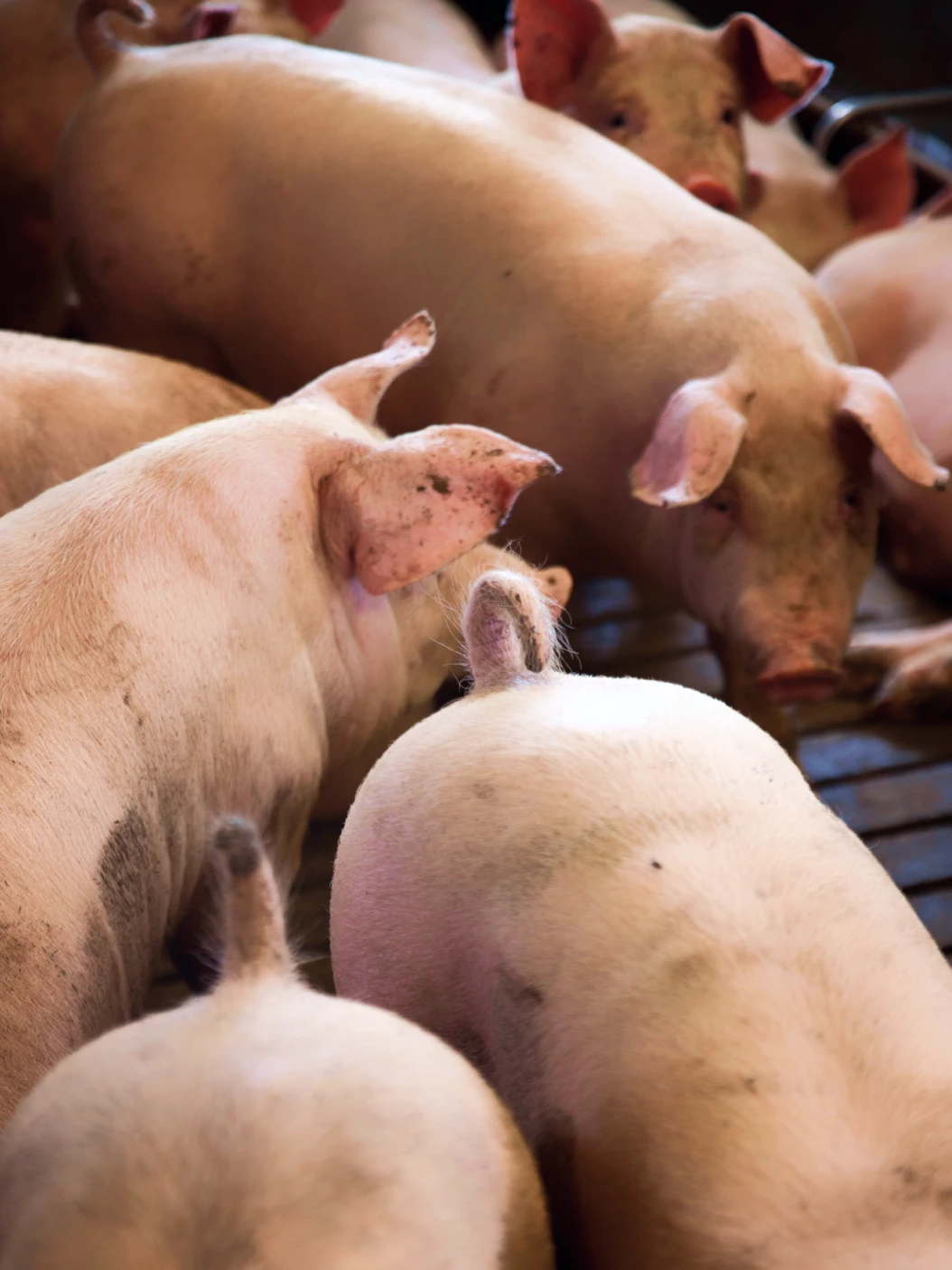
Livestock environments can easily become difficult places to work because of strong odors. By using scent to soften how those odors are perceived, we help create conditions that are more manageable for workers and less burdensome for the surrounding environment.

Sewage Treatment Facilities

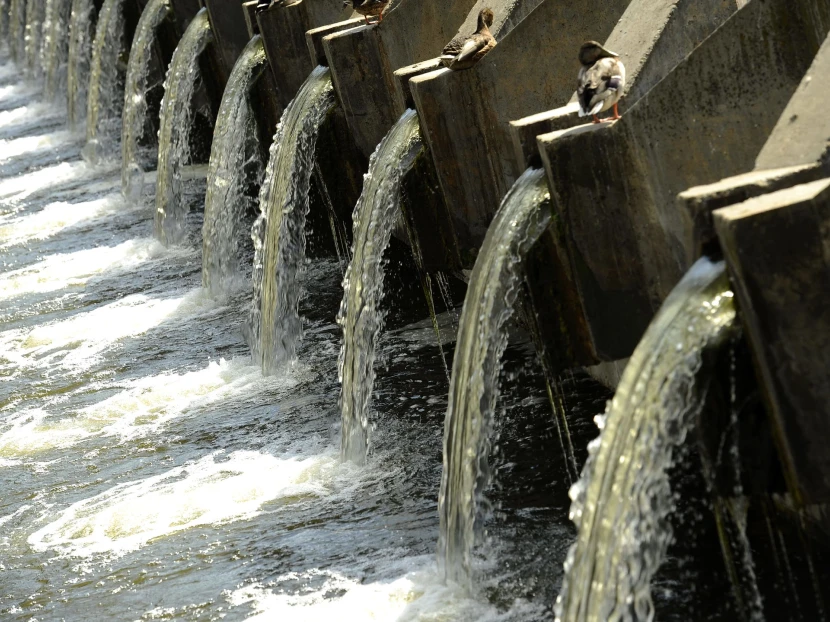
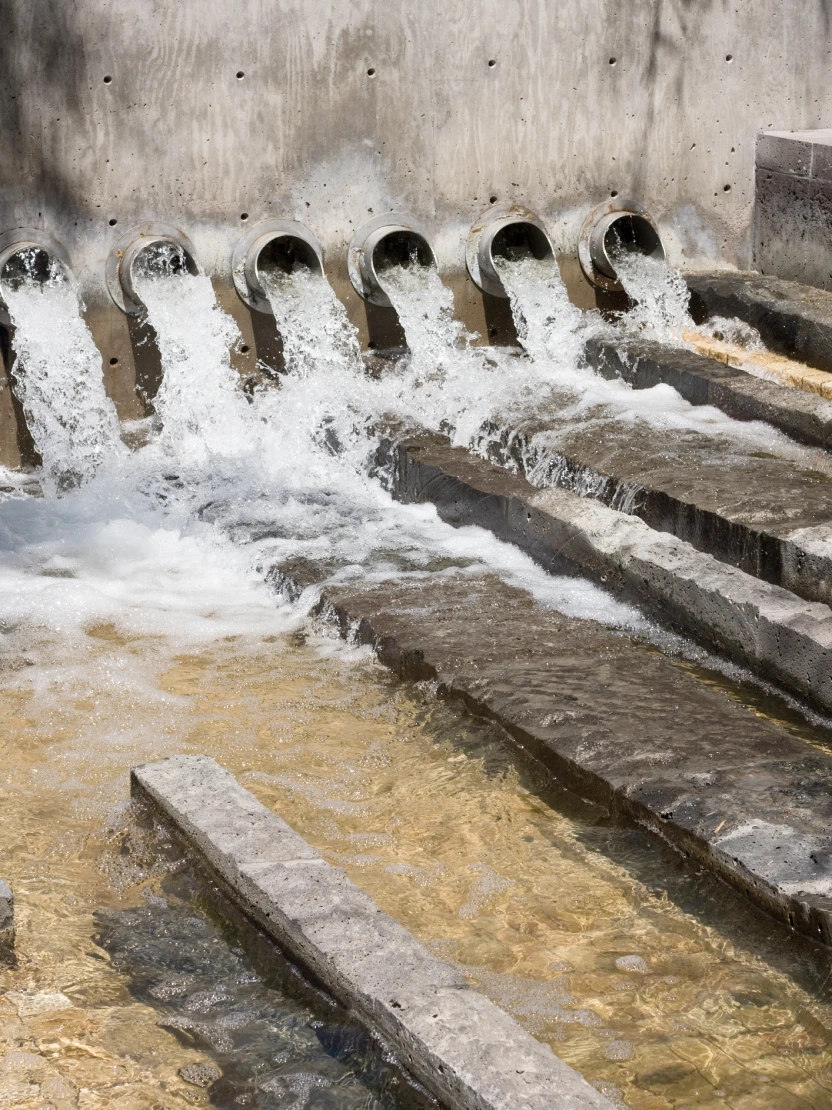
Distinctive odors can arise during the sewage treatment process. By combining scents in ways that moderate odor perception while helping reduce their spread, we contribute to more comfortable working environments and lower impact on nearby areas.

Wildlife Pests

Damage caused by wild animals can have serious impacts on agricultural production and local communities. Using the properties of scent, we create environments that discourage animals from approaching or guide them to designated areas, contributing to the reduction of such damage.

Aquaculture

In aquaculture, difficulty in detecting feed can lead to uneven growth. By using scents that encourage feeding behavior and serve as cues for detection, we help support more stable growth and greater operational efficiency.

Recycled Resin

Recycled resins can retain distinctive odors, making them difficult to use depending on the application. By applying scent technology to suppress these odors, we improve usability and help enhance the value of recycled materials.

Technology

Pairing Deodorization

Rather than simply eliminating strong odors, this technology changes how odors are perceived by combining different scents. When multiple odors are present, people do not perceive each one equally. By leveraging this characteristic, we design fragrances that make unpleasant odors less noticeable.

Meix SK-3

Meix SK-3 is a technology that uses scent to create triggers that help fish notice, approach, and consume feed. Because scent plays a particularly important role underwater, carefully designed scent combinations can make it easier for fish to detect feed. Through scent design, this technology aims to draw out natural feeding behavior.

Repellent Concept Fragrance

We study scent concepts based on aromas known to deter specific insects. By designing them with both effectiveness and everyday usability in mind, we develop proposals that can be integrated naturally into living environments and help ease everyday nuisances.